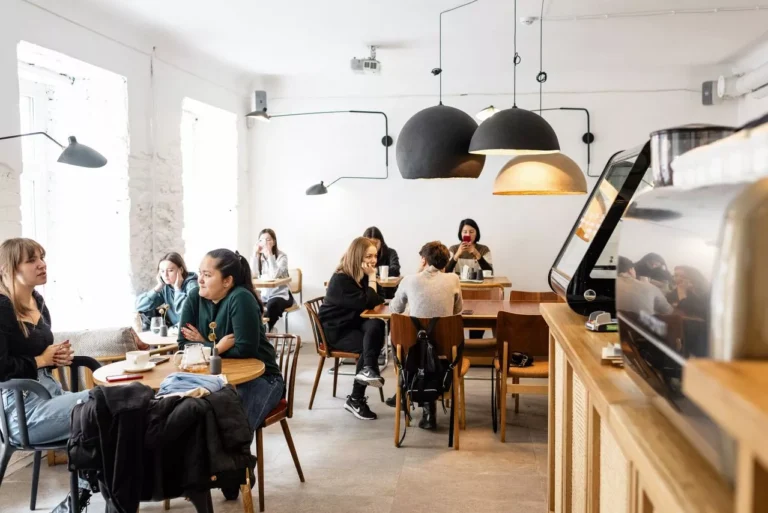
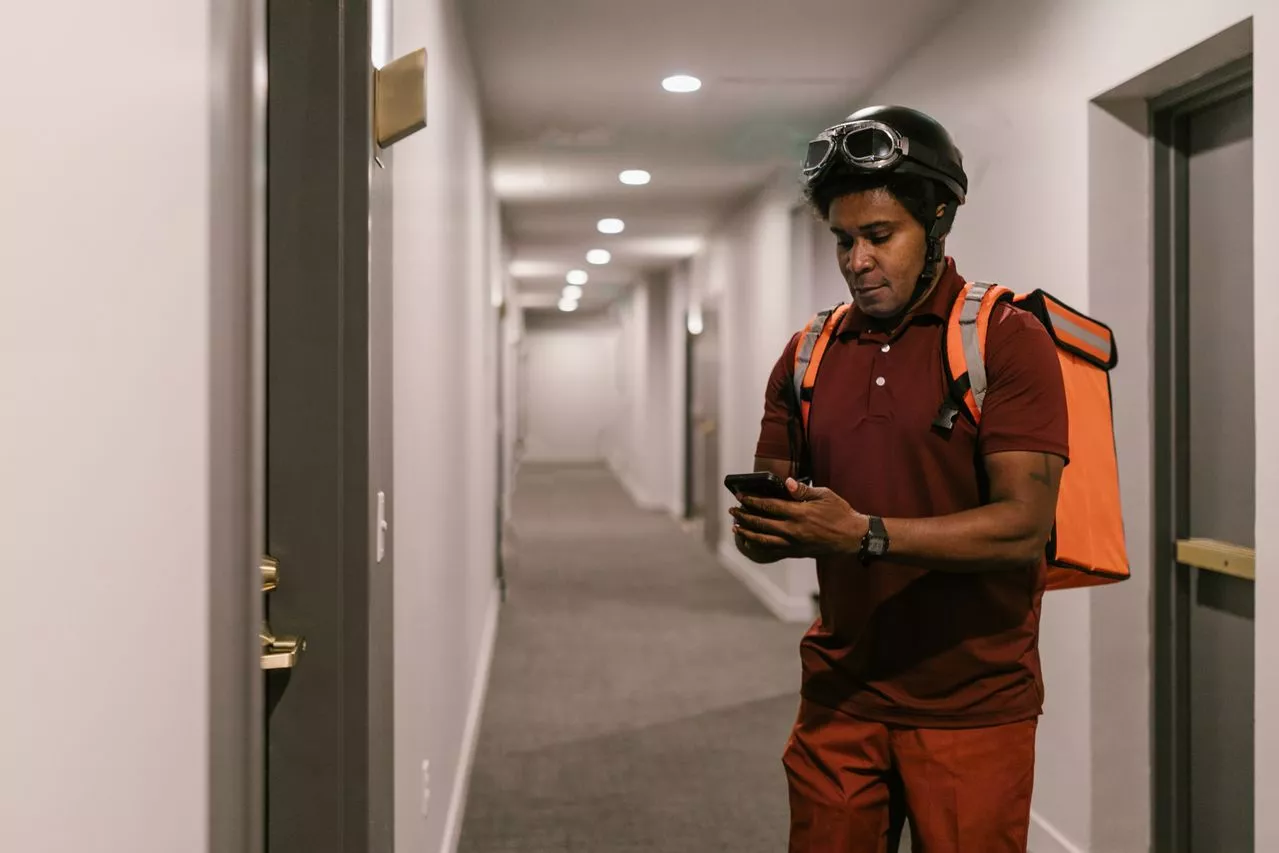
Organizing an office lunch may sound simple, but the process can quickly become time-consuming. What begins as a message in Slack can turn into a series of follow-ups involving restaurant selection, collecting individual meal preferences, placing the group order and tracking delivery. DoorDash is introducing a new connector designed to streamline those steps by allowing companies to integrate DoorDash ordering capabilities with compatible workplace AI tools and custom-built agents.
The new DoorDash connector for corporate ordering enables businesses to connect DoorDash with internal AI applications that employees already use. Companies can also integrate the connector with AI agents developed specifically for their own workflows. The goal is to allow employees to arrange food deliveries through familiar workplace tools without having to manage every part of the ordering process manually.
Several companies are participating as early beta partners, including SpaceXAI, Vercel, Cognition, Tempo and Mercor. These organizations are testing how AI-powered ordering can support employee meals and other workplace food needs.
Through the connector, compatible AI agents can interact with DoorDash to perform several steps involved in ordering food. Agents can search for available items, create a shopping cart, submit an order and track its delivery.
This functionality could make routine workplace meal planning more convenient. For example, an employee could ask an AI agent to suggest a lunch based on previous orders. Instead of manually browsing restaurants and comparing individual menu items, the agent could use the employee’s instructions and ordering history to help identify an appropriate meal.
The system can also support recurring meal arrangements when an employee has an eligible corporate meal benefit. A worker could use an AI-powered tool to organize a daily meal delivery, reducing the number of repetitive steps involved in placing orders.
DoorDash continues to handle the marketplace and delivery process, while local restaurants and other businesses fulfill the orders.
One potential application is integrating DoorDash ordering into workplace communication platforms. For example, a company could develop a Slack bot that collects lunch requests from employees directly inside a group conversation.
Employees could respond in a Slack thread with their preferred meals. The bot could then organize those requests, build a group order and submit it through DoorDash. Once the order has been placed, the same workflow could provide information about delivery progress.
Such an approach could reduce the need for one employee to act as the central coordinator for an entire office lunch. Instead, the workplace tool could gather individual requests and manage the administrative steps involved in completing the order.

Companies could also customize these tools around their own internal policies. For instance, an organization could establish instructions covering meal benefits, ordering schedules or other workplace requirements and allow an AI agent to apply those instructions while arranging food deliveries.
The potential use cases extend beyond employee lunches. Companies that regularly stock kitchens, break rooms or office common areas could connect an AI agent with internal inventory information.
For example, an organization could provide an agent with information about the supplies currently available in its office. When quantities of snacks, beverages or other eligible items fall below a specified level, the agent could use DoorDash to reorder them.
In this scenario, the company’s internal systems provide the relevant information and instructions, while the DoorDash connector gives the AI agent a way to take action through the DoorDash platform.
This type of workflow could be particularly useful for organizations managing recurring office needs. Instead of relying entirely on employees to monitor inventory and manually place replacement orders, companies could build automated processes around their existing workplace systems.
The new connections may also provide another discovery and ordering channel for local restaurants and other businesses available through DoorDash.
When employees use workplace AI tools to plan an office meal, the tools can help them discover restaurants and menu options that meet their requirements. Once a selection is made, the order continues through DoorDash, allowing the participating local business to prepare and fulfill it.
This creates a connection between workplace software and the existing DoorDash marketplace. Employees can use the tools they already rely on at work while restaurants continue to receive orders through the DoorDash platform.
The DoorDash connector is built using the Model Context Protocol, commonly known as MCP. MCP is an open standard designed to allow AI applications to connect with external services and use their capabilities.
Using MCP allows companies to connect DoorDash with compatible AI agents, including agents developed internally. This gives businesses flexibility to create ordering experiences that fit their existing technology environments rather than requiring employees to adopt an entirely separate workflow.
Access to the corporate ordering connector begins at the company level. Employees must sign in to their individual DoorDash accounts and agree to the applicable terms before connecting an AI agent to act on their behalf.
This account-based approach allows employees to authorize the agent to perform actions associated with their DoorDash accounts while companies establish the broader workplace use case.
DoorDash is initially making the connector available through a limited beta program focused on companies ordering for their own employees. The company plans to use feedback from participating organizations to refine the technology and improve the experience before expanding access.
The beta program is intended to provide an opportunity for businesses and developers to explore practical applications for AI-assisted food ordering while DoorDash continues developing the connector.
Starting September 30, companies can join the waitlist for the corporate ordering connector through DoorDash’s developer platform. DoorDash is also expanding beta access to its command-line interface, or CLI, for individual developers who want to build agents for personal use.
As AI agents become increasingly integrated into workplace software, connections between these systems and everyday services could enable employees to complete routine tasks through conversational instructions. DoorDash’s new corporate connector brings food ordering into that emerging workflow, allowing companies to experiment with AI-powered meal coordination, recurring deliveries, office inventory replenishment and other workplace applications.
The initial beta represents an early stage of the program, with broader availability expected to depend on feedback from participating companies and developers. For organizations already experimenting with AI agents, the connector provides a way to incorporate DoorDash ordering into existing workplace processes while maintaining DoorDash as the platform for restaurant discovery, ordering and delivery.
Source Link:https://www.businesswire.com/