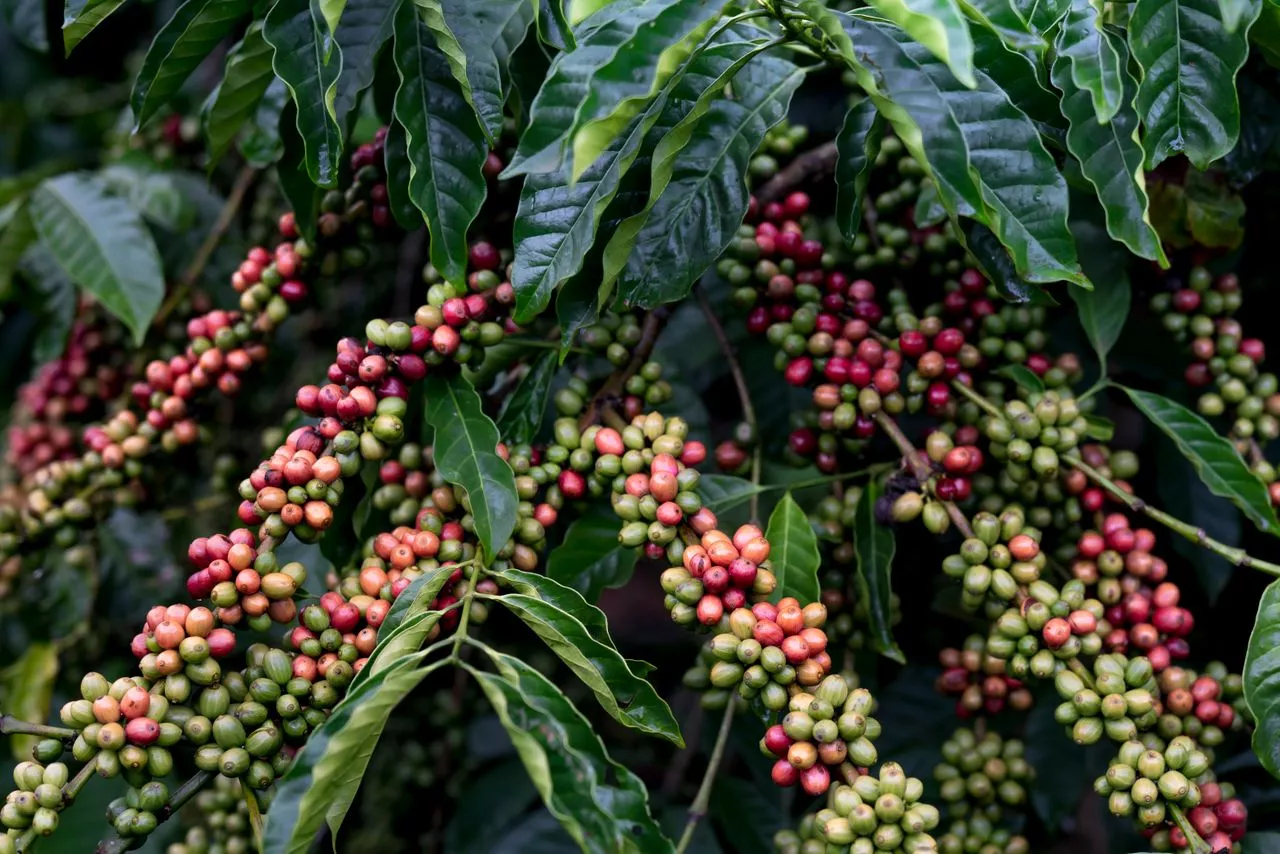
Nescafé has achieved a significant milestone in its sustainability journey, with more than half of its green coffee supply now coming from farmers who have adopted regenerative agriculture practices. According to the latest Nescafé Plan 2030 Progress Report, released today, 53% of the brand’s green coffee was sourced from farms implementing regenerative farming methods in 2025, marking a major advancement in the company’s efforts to build a more resilient and sustainable coffee supply chain.
The achievement reflects years of collaboration between Nescafé and coffee-growing communities around the world. The increase was driven by both a higher volume of coffee purchased from participating farmers and the continued expansion of the company’s field programs. Throughout 2025, more than 1,600 Nescafé agronomists and field staff worked directly with farmers in 15 coffee-producing countries, providing technical assistance, training, and support to help them adopt regenerative agricultural practices.
Regenerative agriculture has become a cornerstone of the Nescafé Plan 2030, Nestlé’s long-term strategy aimed at improving coffee farming sustainability while enhancing the resilience of coffee-producing landscapes. Through this approach, the company seeks to address some of the most pressing challenges facing the coffee sector, including climate change, declining soil fertility, biodiversity loss, and fluctuating farmer incomes.
Practices promoted under the regenerative agriculture framework include agroforestry, the use of cover crops, optimized fertilizer application, and intercropping systems. Agroforestry, which integrates trees into coffee farms, can improve biodiversity, enhance soil quality, and provide shade that helps coffee plants withstand rising temperatures. Cover crops help reduce soil erosion, improve moisture retention, and increase organic matter in the soil. Meanwhile, optimized fertilization practices can improve nutrient efficiency and reduce environmental impacts.
Intercropping has emerged as another valuable strategy for coffee producers. By cultivating additional crops alongside coffee, farmers can diversify their sources of income and reduce financial risks associated with market fluctuations or poor harvests. This diversification can contribute to greater economic stability for farming households while improving the sustainability of agricultural systems.
The company’s efforts are already delivering measurable environmental benefits. In 2025, Nescafé reported an 18.3% reduction in greenhouse gas emissions associated with its green coffee supply compared with its 2018 baseline. This reduction highlights the role regenerative agriculture can play in lowering the carbon footprint of coffee production while strengthening the long-term viability of farming operations.
Commenting on the progress, Antje Shaw, Head of Sustainability for Nescafé, described the achievement as a landmark moment for the brand’s sustainability agenda.
“With more than half of our green coffee sourced from farmers adopting regenerative agriculture practices in 2025, Nescafé has reached a major milestone,” Shaw said. “This demonstrates how we are working closely with farmers to scale regenerative agriculture throughout our coffee supply chain. Our goal is to support farmers during this transition, strengthen resilience against climate change, and help secure Nestlé’s long-term access to coffee, which remains a key growth driver for the company.”
In addition to supporting regenerative farming practices, Nescafé is addressing another major challenge facing coffee growers: aging coffee trees. As coffee plants mature, their productivity naturally declines, and they often become more susceptible to diseases and changing climatic conditions. Lower yields can significantly affect farmer livelihoods and threaten the future supply of coffee.
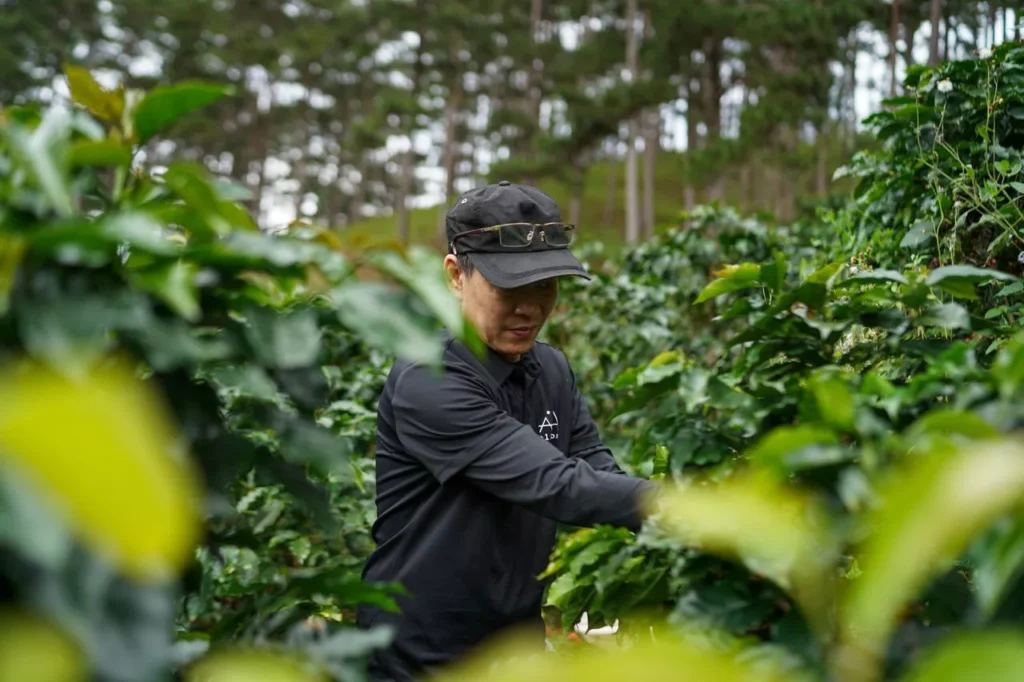
To help farmers overcome these challenges, Nestlé has continued investing in coffee farm renovation programs. These initiatives focus on replacing older trees with improved coffee varieties that are better suited to withstand climate-related stresses and common plant diseases. During 2025 alone, Nescafé distributed approximately 20.3 million coffee plantlets to growers across its sourcing regions, helping farmers improve productivity and strengthen farm resilience.
Responsible sourcing remains another important pillar of the Nescafé Plan. The report revealed that 94.3% of Nescafé’s coffee was responsibly sourced in 2025. This means that green coffee lots were traceable to identified farmer groups and independently certified or verified as meeting Nestlé’s responsible sourcing standards. Enhanced traceability enables greater transparency throughout the supply chain and supports efforts to ensure environmental and social sustainability.
The company’s sustainability initiatives extend beyond coffee farms to encompass its manufacturing, logistics, and packaging operations. These areas represent the primary sources of carbon emissions within Nescafé’s value chain, making them critical targets for emissions reduction efforts.
One of the most notable achievements reported for 2025 was the use of renewable electricity across Nescafé manufacturing facilities. According to the report, 98.6% of the electricity consumed at Nescafé coffee production sites was sourced from renewable energy. This transition has played a significant role in reducing operational greenhouse gas emissions and advancing Nestlé’s broader climate goals.
Beyond environmental sustainability, the Nescafé Plan also emphasizes social responsibility and human rights within coffee-growing communities. The report highlights ongoing efforts to strengthen due diligence processes, improve supplier capabilities, and establish partnerships that create positive impacts for workers and families involved in coffee production.
A key development in 2025 was the creation of the Nescafé Plan Child Protection Framework, developed in collaboration with the international child rights organization Terre des Hommes. The framework aims to strengthen child protection systems across coffee supply chains by integrating corporate initiatives with community-level and public-sector mechanisms already in place.
Roy Tjan, Global Advisor for Child Rights and Business at Terre des Hommes, emphasized the importance of collaborative approaches in safeguarding children and supporting future generations.
“We believe in supporting systems that protect children today and help secure better opportunities for the future,” Tjan said. “Our partnership with Nescafé reinforces this belief by connecting the company’s child protection efforts with existing community and public-state systems on the ground.”
Nescafé also expanded its efforts to improve labor conditions within coffee-producing regions. In 2026, the company extended its partnership with the International Labour Organization (ILO), focusing on advancing labor rights and promoting safer, fairer working conditions across coffee supply chains.
Ockert Dupper, Global Programme Manager of the ILO’s Vision Zero Fund, highlighted the importance of evidence-based and participatory approaches in creating lasting improvements for workers.
“Evidence-based and participatory approaches are essential to achieving lasting improvements in working conditions,” Dupper said. “Partnerships such as the one with Nescafé play a crucial role in enabling these approaches to be implemented effectively and at scale.”
As Nescafé progresses toward its 2030 sustainability goals, the latest report demonstrates how environmental stewardship, responsible sourcing, farmer support, and human rights initiatives are increasingly being integrated throughout the company’s global coffee value chain. By scaling regenerative agriculture and investing in farming communities, Nescafé aims to create a more sustainable and resilient future for coffee production while ensuring long-term benefits for farmers, consumers, and the environment.
Source Link:https://www.nestle.com/