
Block, Inc. and Uber Technologies, Inc. have unveiled a far-reaching global partnership designed to reshape how restaurants operate and how consumers pay for food delivery and transportation services. The collaboration significantly expands operational capabilities for restaurants across multiple international markets while introducing new payment flexibility for millions of U.S. users, reinforcing both companies’ commitment to building more connected, efficient digital ecosystems.
At its core, the partnership reflects Block’s broader strategy of serving both merchants and consumers through an integrated ecosystem of tools and services. By combining Square’s operational technology with Uber’s expansive delivery and mobility network, the companies aim to streamline restaurant workflows while simultaneously enhancing the end-user experience. The initiative also highlights a shared vision of reducing friction across commerce, whether that involves managing orders in a busy kitchen or completing a transaction with minimal effort.
A key component of the agreement is the international expansion of Square’s native Uber Eats integration. Already available in the United States, the integration is set to roll out across several major markets, including Canada, Australia, the United Kingdom, Ireland, France, and Spain. This expansion will allow restaurants in these regions to directly connect their Square point-of-sale systems with Uber Eats, eliminating the need for third-party workarounds or additional hardware.
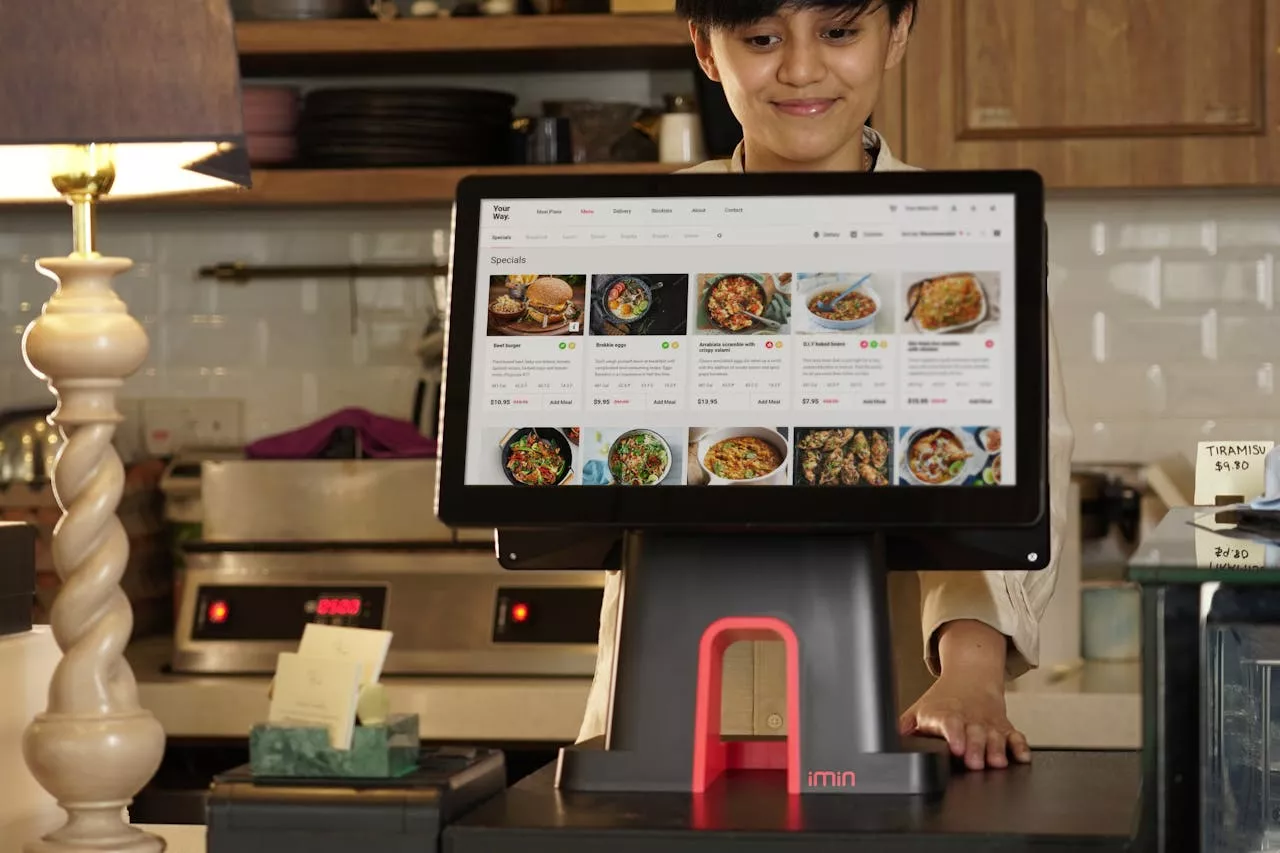
For restaurant operators, this integration brings a range of practical benefits. Orders from Uber Eats can be managed directly within the Square POS system, reducing the complexity of juggling multiple platforms. The removal of separate tablets for delivery orders helps declutter kitchen environments and improve workflow efficiency, especially during peak hours. Restaurants will also be able to manage menus, modifiers, and inventory across channels from a single centralized dashboard, ensuring consistency and accuracy in real time.
In addition, the integration offers financial advantages. With access to Instant Payouts, restaurants can maintain steady cash flow rather than waiting for traditional settlement cycles. This feature is particularly valuable for small and medium-sized businesses that rely on consistent liquidity to manage daily operations. At the same time, connecting directly with Uber Eats enables restaurants to tap into a vast customer base, expanding their reach without sacrificing operational control.
On the consumer side, the partnership introduces Cash App Pay as a new payment option across Uber and Uber Eats in the United States. This addition brings greater flexibility to the platform, allowing users to pay for rides and food delivery using their Cash App balance. With approximately 59 million monthly active users—many of whom belong to younger demographics such as Millennials and Gen Z—Cash App represents a significant and growing segment of digital-first consumers.
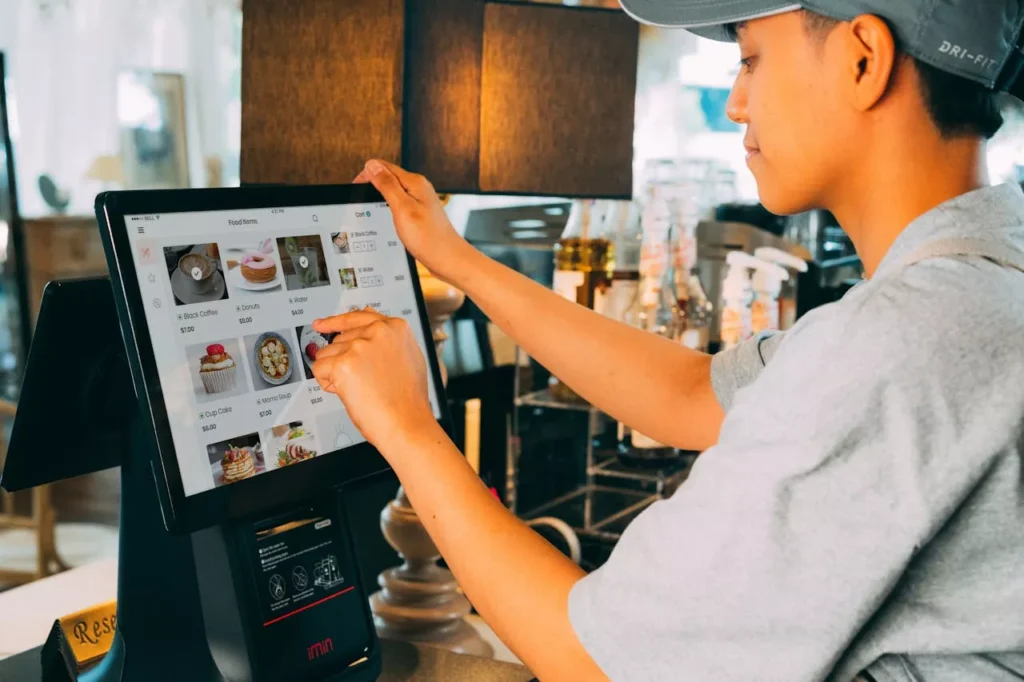
The integration of Cash App Pay is designed to simplify the checkout experience while offering added convenience. Users can seamlessly complete transactions without switching between apps or entering payment details repeatedly. The feature also opens the door to exclusive promotions and offers tailored to Cash App users, further incentivizing engagement within the ecosystem. For Uber, this means access to a broader and more diverse customer base, while for Block, it extends the utility of Cash App into everyday services like transportation and food delivery.
This development builds on an earlier collaboration between the two companies in Australia, where Uber integrated Block’s Buy Now, Pay Later solution, Afterpay. That initiative introduced flexible payment options for customers ordering through Uber and Uber Eats, allowing them to split payments over time. Together, these efforts demonstrate a consistent push toward offering multiple payment pathways that cater to different consumer preferences and financial needs.
Executives from both companies emphasize the strategic importance of the partnership. Uber’s leadership highlights how the expanded integration strengthens the connection between its platform and restaurant partners, enabling businesses to unlock new growth opportunities. By simplifying operations and improving access to customers, the collaboration is expected to drive efficiency and scalability for restaurants of all sizes.
From Block’s perspective, the partnership exemplifies the power of its ecosystem approach. By aligning Square, Cash App, and Afterpay within a single collaborative framework, Block is able to deliver value across the entire transaction lifecycle—from order management to payment completion. This interconnected model not only benefits individual users and businesses but also contributes to the broader health of local economies by enabling smoother, more reliable commerce.
Beyond the immediate operational and financial advantages, the partnership signals a deeper shift in how technology platforms are evolving. Rather than operating as isolated services, companies like Block and Uber are increasingly building interconnected ecosystems that address multiple aspects of the customer journey. This approach reduces friction, enhances user satisfaction, and creates new opportunities for innovation.
Ultimately, the collaboration underscores a shared commitment to leveraging technology in ways that make everyday activities—whether running a restaurant or ordering a meal—more intuitive and efficient. By bridging the gap between merchants and consumers, Block and Uber are not only enhancing their respective platforms but also setting a new standard for how digital ecosystems can work together to deliver seamless, end-to-end experiences on a global scale.
Source Link:https://www.businesswire.com/