TouchBistro, a leading all-in-one restaurant management platform, has unveiled its 2026 Patio Season Guide for Restaurants, offering operators a comprehensive roadmap to maximize the potential of outdoor dining. Developed in collaboration with The Harris Poll, the guide draws on insights from more than 1,200 full-service restaurant operators across the United States and Canada. It delivers practical, data-driven strategies to help restaurants transform their patios into high-performing revenue centers during one of the busiest times of the year.
As the summer of 2026 approaches, industry expectations are especially high. A packed calendar of major sporting events is anticipated to bring a surge of customers to restaurants across North America, making this patio season particularly significant. Outdoor dining has already become a staple for the majority of operators, with more than 81 percent offering patio seating. For many establishments, these spaces are not just an added feature but a crucial component of their financial performance, contributing as much as 49 percent of total sales during peak months. In some cases, the success or failure of patio season can determine whether a restaurant ends the year profitably.
According to Samir Zabaneh, Chairman and CEO of TouchBistro, the stakes for 2026 are even higher than usual. He emphasizes that patio season is already one of the most important revenue opportunities for restaurants, but the added draw of large-scale sporting events could make this year exceptional. Restaurants that invest in preparation—by optimizing staffing, leveraging the right technology, and delivering memorable guest experiences—stand to gain the most. Zabaneh underscores that success will hinge on how effectively operators can turn every outdoor seat into a meaningful and profitable interaction.
The findings from the report highlight just how impactful patios have become. On average, outdoor dining accounts for around 20 percent of total restaurant sales, though for many operators, this figure rises significantly to between 25 and 49 percent. This variability suggests that while patios are already valuable, there is still untapped potential for operators willing to refine their approach.
However, increased demand brings added complexity. More than 30 percent of operators report a noticeable rise in larger group dining on patios, a trend that is expected to intensify as customers gather to watch live sports and social events. Larger groups can increase check sizes, but they also require more careful coordination in terms of seating, service timing, and staff allocation. Without proper planning, the operational strain can offset the financial benefits.
In addition to accommodating group dining, many restaurants are exploring new revenue streams through their outdoor spaces. The report notes that 39 percent of operators are planning to introduce private events on their patios. This strategy not only diversifies income but also allows restaurants to make better use of their space during off-peak hours. Private bookings, such as corporate gatherings or celebrations, can provide predictable revenue and help smooth out fluctuations in daily traffic.
Despite the challenges, overall sentiment among operators remains highly positive. More than 80 percent of those with patio spaces express optimism about the future of their businesses, and a successful patio season is a key driver of that confidence. Still, this optimism is accompanied by increasing pressure to execute effectively. Around 30 percent of operators have expanded their patio seating capacity over the past year, reflecting strong demand but also introducing new operational hurdles. Managing a larger outdoor area requires more coordination, from staffing and inventory management to maintaining consistent service quality.
The growing popularity of patios also introduces fluctuations in customer flow. Weather conditions, event schedules, and peak dining times can all influence traffic patterns, making it more difficult to predict demand. As a result, restaurants must adopt more flexible and responsive operational strategies to keep up.
To address these challenges, the TouchBistro 2026 Patio Season Guide outlines several actionable steps for operators. One of the primary recommendations is to focus on workforce efficiency. With many restaurants already operating with lean teams, increasing headcount is not always feasible. Instead, operators are encouraged to improve productivity through cross-training staff, enabling employees to handle multiple roles as needed. This flexibility can help restaurants adapt quickly to changing conditions without significantly increasing labor costs.
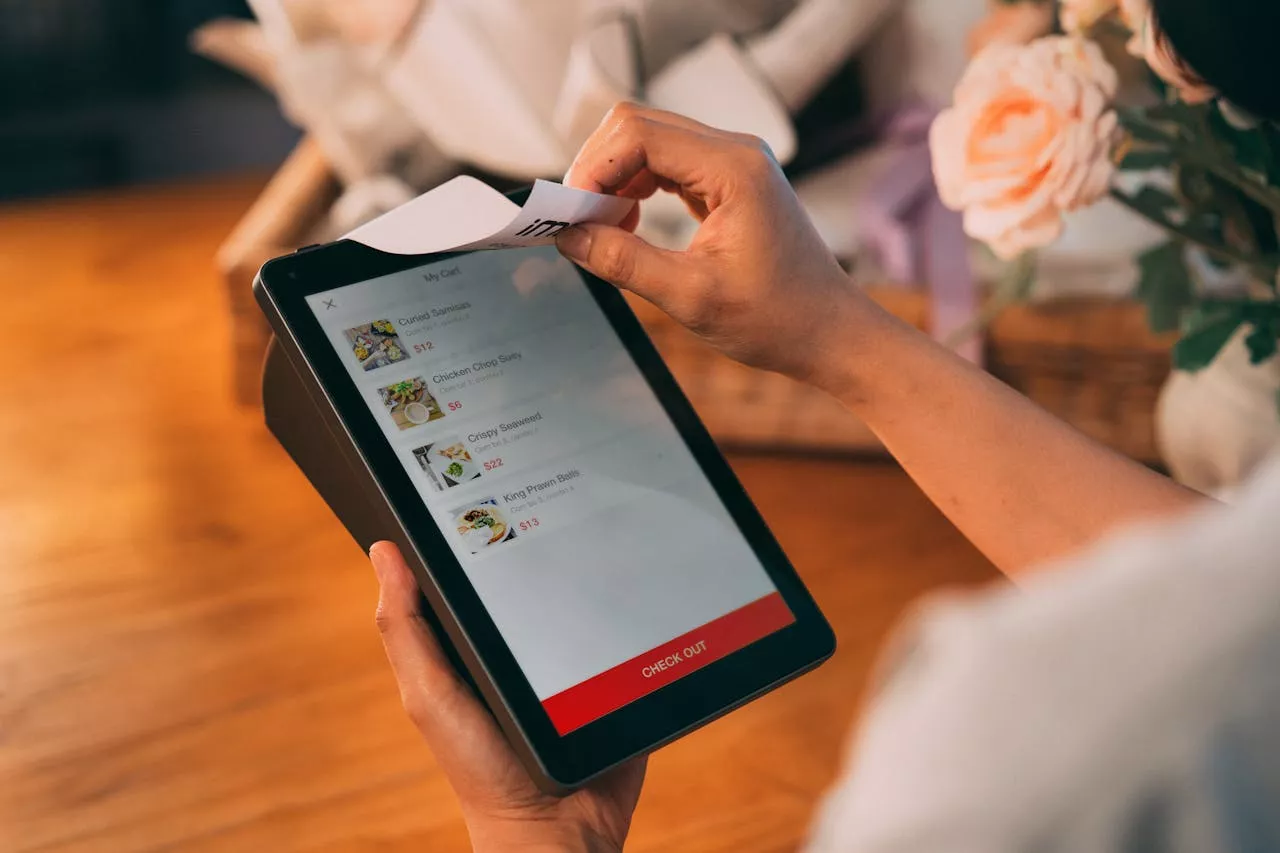
Technology also plays a central role in optimizing patio operations. The guide highlights the benefits of tools such as labor management platforms, which can help managers schedule staff more effectively based on anticipated demand. Mobile point-of-sale (POS) systems are another key asset, allowing servers to take orders and process payments directly at the table, reducing wait times and improving service efficiency. QR code menus, which gained popularity in recent years, continue to offer value by streamlining ordering and minimizing physical contact points.
Beyond staffing and technology, the guide emphasizes the importance of maintaining a high-quality guest experience. Outdoor dining presents unique challenges, including weather variability and pest control. Establishing a reliable pest management routine is recommended as a simple but essential step to ensure customer comfort. Additionally, thoughtful design elements—such as comfortable seating, shade solutions, and ambient lighting—can enhance the overall atmosphere and encourage guests to stay longer and spend more.
Ultimately, the 2026 patio season represents both an opportunity and a test for restaurant operators. Those who approach it with careful planning and a willingness to adapt will be best positioned to capitalize on increased demand. By leveraging data insights, investing in the right tools, and focusing on operational excellence, restaurants can turn their patios into powerful drivers of growth.
As the summer unfolds and crowds gather to enjoy food, drinks, and shared experiences, the restaurants that have prepared effectively will stand out. For them, patio season will not just be a busy period—it will be a defining moment that shapes their success for the year ahead.
Source Link:https://www.businesswire.com/