
Vital Farms (Nasdaq: VITL), a food company focused on ethically produced eggs and other pasture-raised products, has announced the pilot launch of its new Vital Farms Free-Range eggs. The product is expected to begin arriving at select Target retail stores across the South and Southeast this week, introducing consumers to a new option designed to combine animal welfare standards, product quality, and a more accessible price point.
The limited retail test represents an opportunity for Vital Farms to explore how it can reach more households while remaining committed to its core principles of transparency and responsible animal care. With a suggested retail price of less than $5 per carton, the new product aims to make Vital Farms eggs accessible to a broader group of consumers while maintaining standards that distinguish the brand from many conventional free-range egg offerings.
Through this pilot, the company intends to evaluate consumer interest, understand purchasing behavior, and determine how the new offering could contribute to its longer-term growth strategy.
The term “free-range” is widely recognized by shoppers in the egg aisle. However, the designation does not always provide a complete picture of the conditions in which hens are raised or the quality of their outdoor environments.
Vital Farms is introducing its own free-range standard to address these differences and establish expectations in several areas of animal welfare. The company’s approach emphasizes the amount of time hens spend outdoors, the quality of the land available to them, and barn designs that encourage hens to access outdoor areas more easily.
These elements are intended to create a more supportive environment for hens while providing consumers with greater clarity about the product they purchase.
One of the central components of the new standard is outdoor access. Vital Farms places importance on the time hens can spend outside, reflecting its broader commitment to animal care. Beyond simply providing outdoor access, the company also emphasizes the quality of the environment in which hens spend time.
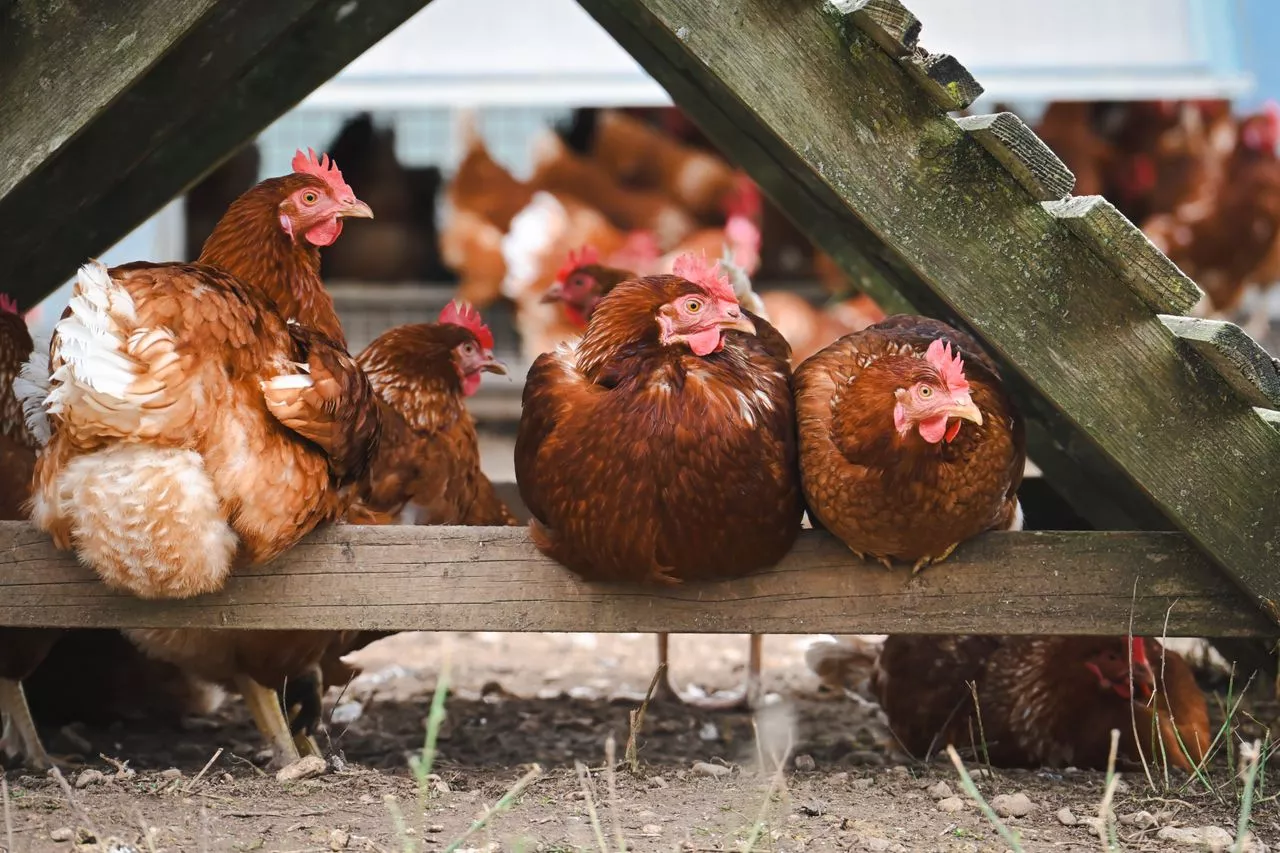
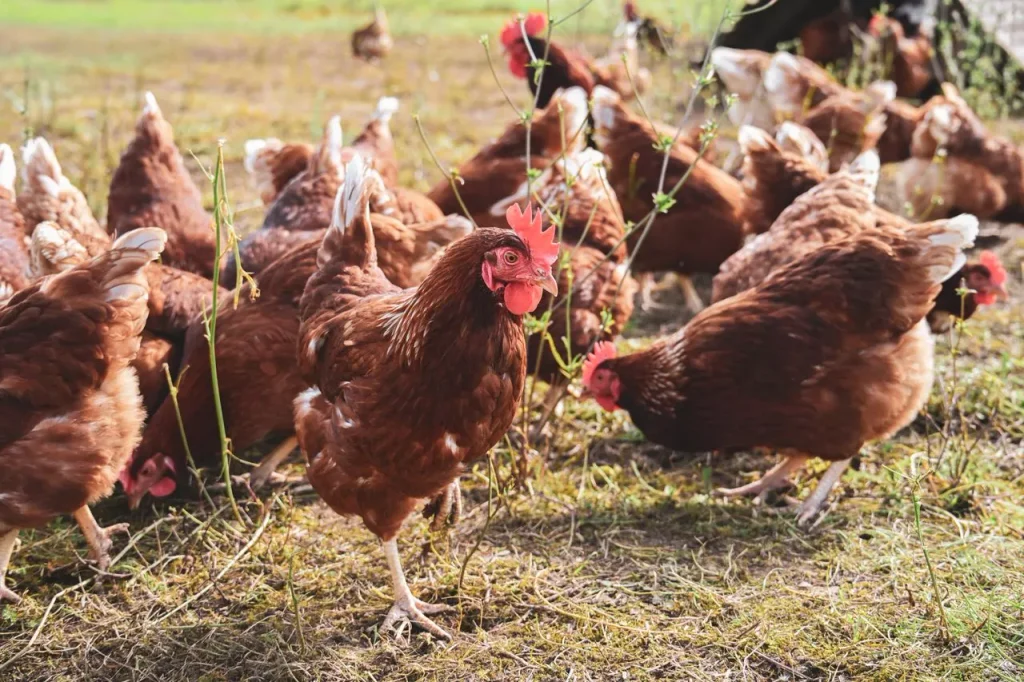
The land available to hens under the new standard includes living vegetation and shade. These features help create a more natural outdoor setting and distinguish the company’s approach from free-range systems that may offer different levels of environmental quality.
Barn design is another important consideration. Vital Farms’ standard focuses on making it easier for hens to move outdoors, with barn layouts intended to encourage access to outdoor spaces.
Together, these requirements represent the company’s effort to establish a higher bar for free-range egg production. The pilot will allow Vital Farms to test this offering in a retail environment while maintaining its focus on animal welfare and product integrity.
In addition to animal welfare, transparency continues to be a defining feature of Vital Farms’ business model. Each carton of Vital Farms eggs, including the new Free-Range product, can be traced back to the farm where the eggs were laid through the company’s “See The Farm” program.
The initiative gives consumers a way to learn more about the origins of their eggs and connect the product on the shelf with the farm responsible for producing it. This farm-level traceability supports the company’s emphasis on providing consumers with information about their food.
For shoppers who want to understand more about egg production, the ability to identify the farm behind a carton can offer additional insight into the supply chain. Vital Farms has continued to make transparency an important part of its consumer engagement efforts, using farm information to help explain its approach to animal care and production.
The new Free-Range offering is intended to carry that commitment forward. While the pilot introduces a more accessible price point, the company says its focus on transparency and animal welfare remains unchanged.
Consumers with questions about the new product or the company’s standards can contact Vital Farms through its official website. The company provides options for customers to call, text, send direct messages, or submit written inquiries through its contact page. Additional information is available through the brand’s frequently asked questions section.
These resources give consumers opportunities to learn more about Vital Farms’ products, production practices, and the standards associated with its egg offerings.
The pilot reflects Vital Farms’ effort to balance product accessibility with its established values. By introducing a carton priced at a suggested retail price of less than $5, the company is testing whether a more affordable option can attract additional shoppers without compromising its approach to animal welfare.
Price remains an important consideration for consumers when choosing eggs and other grocery staples. Offering a product at a lower suggested retail price could help Vital Farms appeal to households that are interested in its approach but are also managing grocery budgets.
The company has positioned the pilot as a learning opportunity rather than a full-scale launch. The limited test will help it assess consumer appetite, gather information about retail performance, and better understand how the new product fits within the broader egg category.
Heather Mace, Vice President of Brand at Vital Farms, said the initiative is designed to expand access while keeping the company’s values at the center of its decisions.
“With Vital Farms Free-Range, we’re testing how we can bring more households a high-quality egg at a more accessible price point, while staying true to who we are and keeping hens’ quality of life front and center,” Mace said.
She added that the company wants to learn as much as possible from the pilot, understand consumer demand, and pursue growth in a way that aligns with its principles.
“Our goal is to learn all we can, understand consumer appetite and grow the right way,” Mace said. “Reaching more households gives us the opportunity to create more positive impact for our stakeholders while continuing to raise the standards in the egg aisle.”
Her comments underscore the company’s intention to use the test to inform future decisions. Rather than focusing exclusively on increasing distribution, Vital Farms is seeking to understand how it can expand its customer base while preserving the animal care practices and transparency that form part of its brand identity.
Vital Farms Free-Range eggs are expected to become available beginning this week at select Target stores across the South and Southeast. The initial distribution will give the company an opportunity to introduce the product to consumers in specific regional markets and evaluate its performance.
The limited availability means the new eggs will not necessarily be offered at every Target location. Consumers interested in purchasing the product can consult Vital Farms’ website for information about where its eggs are sold.
The pilot also provides an opportunity to assess how shoppers respond to the combination of free-range production, farm traceability, and a suggested retail price below $5 per carton. Insights from the test could help the company determine whether the product meets consumer expectations and supports its broader growth ambitions.
As the egg category continues to offer shoppers a range of choices, Vital Farms is seeking to differentiate its new product through specific animal welfare considerations and a commitment to communicating where its eggs originate.
The launch of Vital Farms Free-Range eggs represents a measured step in the company’s efforts to reach more consumers. The product is designed to offer a more accessible entry point while retaining the company’s emphasis on animal welfare, transparency, and quality.
Its approach places particular importance on outdoor access, living vegetation, shade, and barn designs that make it easier for hens to go outside. The See The Farm program adds another layer of transparency by allowing consumers to trace each carton back to its originating farm.
For Vital Farms, the pilot is an opportunity to evaluate whether these elements, combined with a lower suggested retail price, can attract a wider customer base. Consumer response and retail performance will help inform the company’s next steps as it considers opportunities for responsible expansion.
The initial test at select Target stores across the South and Southeast will serve as the starting point for that evaluation. As the pilot progresses, Vital Farms aims to better understand shopper demand while continuing to prioritize the standards and values that guide its business.
Consumers can find further information about Vital Farms and its egg offerings through the company’s official website, including its farm locator, contact page, and frequently asked questions resources.
Source Link:https://www.businesswire.com/