
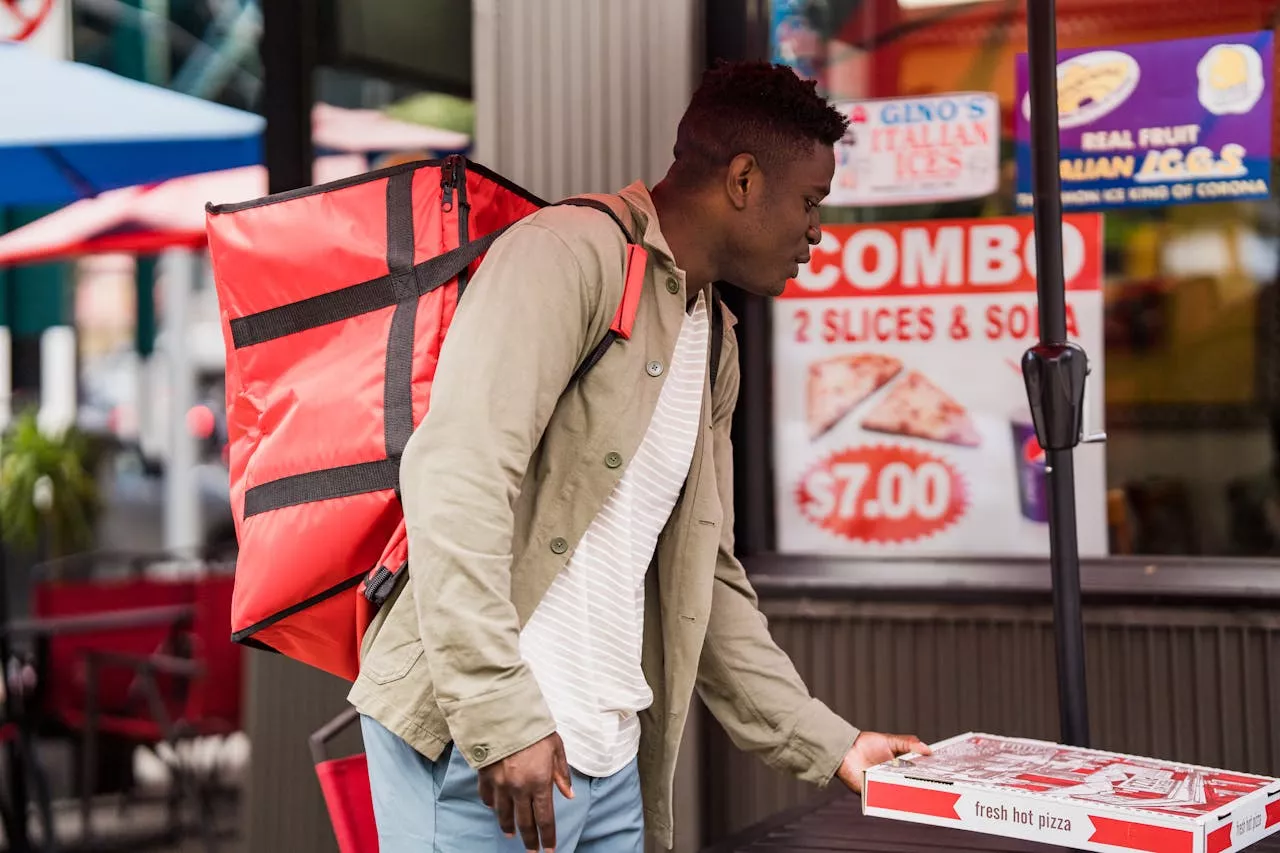
DoorDash has secured its operating permit under Boston’s newly implemented Road Safety and Accountability for Delivery Providers Ordinance, marking an important milestone for the food delivery platform as it continues serving one of the nation’s most active urban markets. The approval ensures that DoorDash can maintain operations in the city while reinforcing its commitment to safer streets, stronger partnerships with local leaders, and continued economic support for businesses and workers throughout Boston.
The permit represents more than a regulatory requirement—it reflects an ongoing effort by DoorDash to address public safety concerns, support delivery workers, and strengthen collaboration with city officials. As Boston introduces stricter oversight for third-party delivery platforms, DoorDash’s ability to secure this operating permit underscores the company’s efforts to adapt to new local standards and align its operations with the city’s broader transportation and safety priorities.
Boston remains one of DoorDash’s most important urban markets in the United States. According to company data, more than 60,000 individuals earned income through the platform in Boston during 2025, collectively generating over $60 million. At the same time, local merchants and restaurants leveraged DoorDash’s marketplace to create approximately $250 million in additional revenue, highlighting the platform’s growing economic footprint across the city.
These numbers illustrate the increasingly important role that app-based delivery services play in Boston’s local economy. For thousands of residents, delivery work provides flexible earning opportunities, while for small businesses and restaurants, online delivery platforms offer critical access to customers beyond their physical locations. DoorDash says preserving this ecosystem while ensuring public safety remains central to its strategy in the city.
The new operating permit comes after months of engagement between DoorDash and Boston officials following increased concerns about delivery-related traffic safety in 2024. City leaders raised questions about road safety, rider accountability, and compliance with traffic regulations as the number of delivery vehicles and e-bikes on Boston’s streets continued to rise.
In response, DoorDash worked closely with local stakeholders to implement a series of measures designed to improve safety and accountability. Among those initiatives was the creation of a dedicated escalation channel with the Boston Police Department, enabling faster communication and issue resolution when safety concerns arise.
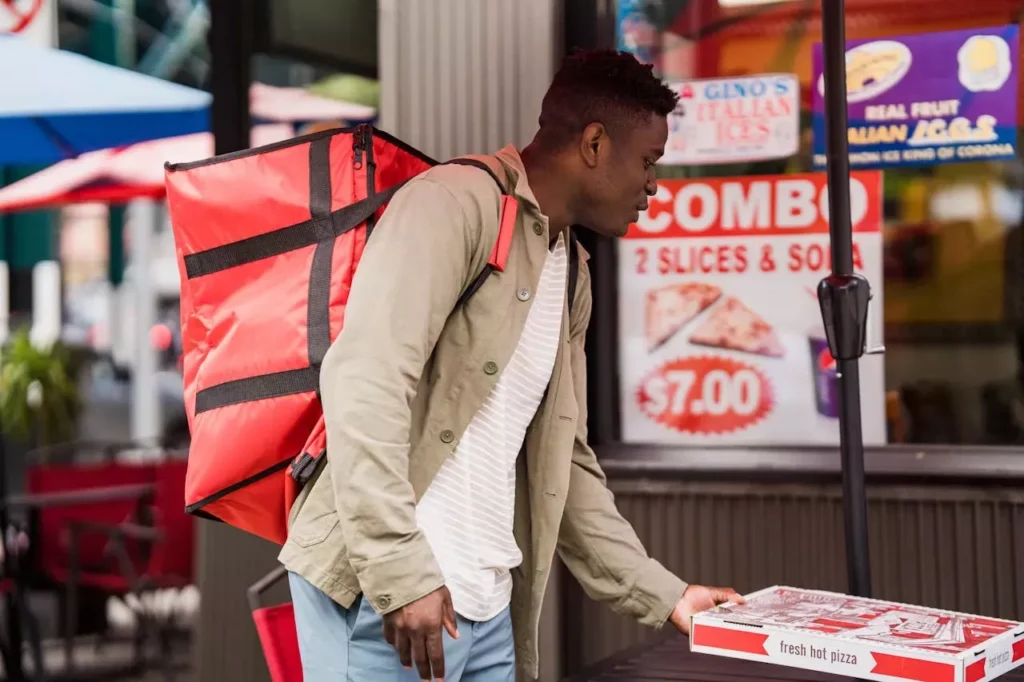
DoorDash also accelerated identity verification procedures across its platform in an effort to reduce account sharing and unauthorized use—an issue that has become a growing concern in the broader gig economy. By strengthening verification requirements, the company aims to improve transparency and ensure that individuals delivering through the platform are properly registered and accountable.
Another major step involved the launch of a multilingual safety education campaign developed in partnership with the City of Boston. The campaign was designed to help Dashers better understand local traffic laws, safe riding practices, and vehicle registration requirements. Given the diverse workforce that powers delivery services in Boston, DoorDash emphasized the importance of providing safety materials in multiple languages to improve accessibility and compliance.
Company leaders say these initiatives demonstrate DoorDash’s willingness to collaborate proactively rather than reactively.
“DoorDash has been a genuine partner to the City of Boston, and receiving this permit is a reflection of that relationship,” said Daniela Michanie, Head of New England Public Engagement for DoorDash. “Our goal has always been to support Boston’s workers and businesses while helping make its streets safer for everyone. We’re proud to keep showing up for this city.”
The statement reinforces DoorDash’s broader message that its role in Boston extends beyond food delivery. The company increasingly positions itself as an economic partner for local businesses, a source of flexible work for residents, and an active participant in urban transportation conversations.
DoorDash also stressed that the vast majority of delivery workers on its platform operate responsibly and follow local traffic laws. According to the company, delivery timing systems are intentionally structured to allow Dashers to complete orders safely, without feeling pressured to sacrifice safety for speed.
Still, the company acknowledges that traffic and road safety challenges in Boston are real—and complicated. Like many major cities, Boston has seen rapid growth in app-based delivery activity over the past several years, driven by changing consumer habits and increased demand for convenience. That growth has brought new transportation challenges, especially in dense urban neighborhoods where delivery bikes, scooters, cars, pedestrians, and public transit all compete for limited street space.
DoorDash believes the long-term solution requires cooperation among all stakeholders, including technology platforms, city officials, law enforcement agencies, and the delivery workers themselves.
Rather than viewing regulation as a barrier, the company says it sees Boston’s new ordinance as an opportunity to create stronger systems for accountability and safer urban mobility. The operating permit, in this context, becomes both a compliance milestone and a framework for future collaboration.
Industry analysts note that Boston’s ordinance could become a model for other cities evaluating how to regulate third-party delivery services more effectively. As municipalities across the country seek ways to balance innovation with public safety, DoorDash’s experience in Boston may serve as an early example of how private platforms and local governments can work together.
For Boston restaurants and retailers, DoorDash’s continued presence offers reassurance that access to digital customers and delivery infrastructure will remain intact. Many small businesses have become increasingly dependent on delivery services as a revenue stream, particularly in the years following the pandemic-driven shift toward off-premise dining and e-commerce.
For Dashers, the permit signals stability and continuity—important factors for workers who rely on app-based delivery income to support themselves and their families.
Looking ahead, DoorDash says it will continue investing in safety programs, local partnerships, and platform improvements aimed at making delivery more efficient and more responsible. The company believes that by maintaining an open dialogue with city leaders and responding proactively to community concerns, it can help shape a delivery ecosystem that benefits everyone involved.
With the operating permit now secured, DoorDash is positioned to continue serving Boston’s residents, supporting thousands of workers and businesses, and playing a central role in the city’s evolving digital economy—while working toward a safer and more accountable future for urban delivery.
Source Link:https://about.doordash.com/