
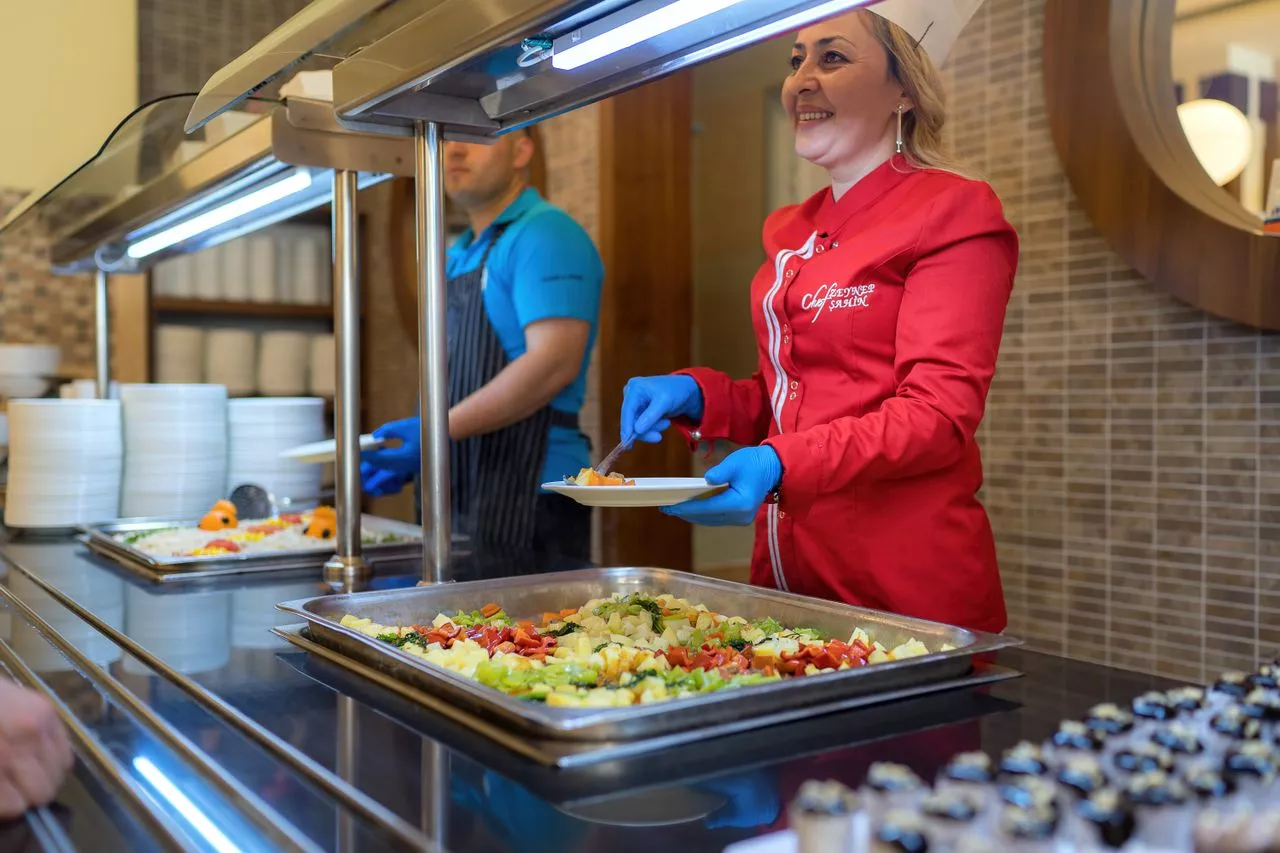
Aspire, a nonprofit organization dedicated to supporting people with disabilities in achieving greater independence and meaningful employment, has launched the first cohort of participants in its new Food Services Employment Training Program. The initiative is designed to address two pressing challenges at once: the ongoing labor shortages and high employee turnover within the restaurant industry, while creating sustainable career opportunities for individuals with disabilities who are eager to enter the workforce.
The innovative workforce development program reflects Aspire’s long-standing commitment to promoting inclusive employment practices and helping businesses discover the value of hiring talented individuals with disabilities. By combining industry-focused training, paid internships, and personalized job coaching, Aspire aims to prepare participants for long-term careers in food service while providing employers with access to a reliable and motivated workforce.
Restaurants across the United States continue to face persistent staffing shortages and high turnover rates, making employee recruitment and retention one of the industry’s biggest operational challenges. Aspire developed its Food Services Employment Training Program specifically to help bridge this workforce gap by connecting employers with individuals who are often overlooked despite their capabilities and commitment.
The program is structured as a comprehensive 10-week training course that equips participants with practical skills needed to succeed in a variety of restaurant positions. Trainees receive instruction for both front-of-house and back-of-house roles, preparing them for positions such as:
Rather than focusing solely on classroom instruction, the curriculum combines practical learning experiences with simulated restaurant operations, giving participants an authentic understanding of workplace expectations before entering employment.
Upon completing the training successfully, each participant will be matched with a two-month paid internship at a partnering restaurant. During this transition into the workforce, Aspire provides dedicated employment coaching to help participants adapt to their new roles, build confidence, and overcome workplace challenges. This individualized support is intended to improve long-term employment outcomes for both workers and employers.
To ensure the program reflects real-world restaurant operations, Aspire has partnered with respected food service organizations including Home Run Inn and The Buona Companies.
These industry partners have worked closely with Aspire in developing a training model that prepares participants for the demands of restaurant employment while also helping employers meet their staffing needs.
Serena Alaily, CEO of Aspire, emphasized that the initiative represents more than a workforce program—it is a business solution that creates mutual value.
She explained that hiring people with disabilities should not be viewed as an act of charity but rather as a strategic business decision. According to Alaily, the program connects local restaurants with dependable and highly motivated employees while creating meaningful career opportunities for individuals who have historically faced significant barriers to employment. She noted that Aspire is building solutions that strengthen both job seekers and the businesses that contribute to the local economy.
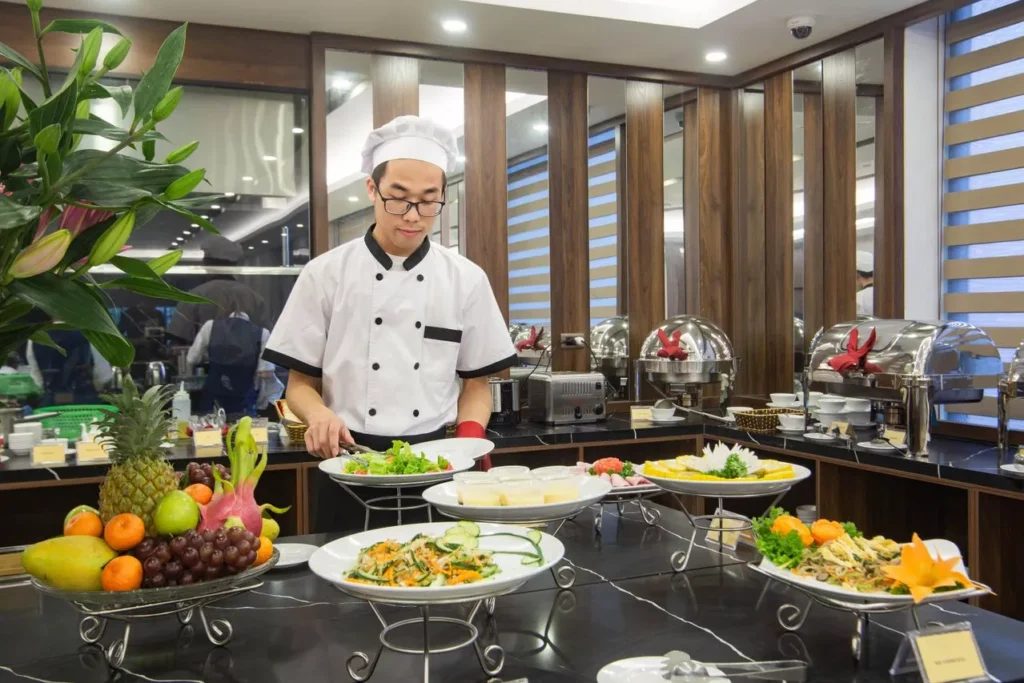
Unlike traditional employment training programs, Aspire’s initiative emphasizes immersive learning experiences that closely resemble actual restaurant environments.
Participants spend time working in Aspire’s Career Academy kitchen, where simulated restaurant operations allow them to practice food preparation, customer service, teamwork, communication, and time management in a structured setting.
The training extends beyond Aspire’s facilities through hands-on learning experiences at participating restaurant locations. Exposure to active restaurant operations enables trainees to gain practical experience while becoming familiar with industry standards and workplace expectations.
An important feature of the program is that Aspire covers all participant expenses related to employment coaching and internships through a federally funded grant. This financial support removes barriers that might otherwise prevent individuals from completing the program and transitioning into employment.
One of the strongest arguments supporting the program lies in workforce retention.
According to data cited by Aspire from the U.S. Bureau of Labor Statistics, the food service industry experiences one of the highest employee turnover rates of any sector, reaching approximately 79.6 percent. On average, restaurant employees remain in their positions for only slightly more than one year, forcing employers into a continual cycle of recruiting, hiring, and training new staff.
By contrast, people with disabilities often demonstrate significantly greater employment stability.
Although only 22.8 percent of people with disabilities are employed despite many being willing and capable of working, those who secure employment remain with employers for an average of 9.5 years and experience turnover rates below 5 percent.
Aspire believes these statistics illustrate an untapped opportunity for employers seeking dependable employees while simultaneously improving workforce diversity and inclusion.
By connecting motivated job seekers with restaurants experiencing staffing shortages, the Food Services Employment Training Program seeks to solve two long-standing workforce challenges simultaneously.
Home Run Inn has played an active role in supporting the development of Aspire’s new initiative.
Dan Costello, CEO of Home Run Inn, said the company is proud to participate in a program that both strengthens the restaurant industry’s workforce and creates meaningful employment opportunities for people with disabilities.
Costello explained that Home Run Inn collaborated with Aspire during the design of the training kitchen, ensuring the facility closely reflects the realities of restaurant operations. This practical environment allows trainees to develop skills that prepare them for long-term success once they enter the workforce.
He also described the partnership as an extension of Home Run Inn’s long-standing commitment to supporting the communities that have contributed to the family-owned company’s success over many generations.
The Buona Companies also view the partnership as an investment in both people and the future of the hospitality industry.
Joe Buonavolanto III, Executive Vice President of The Buona Companies, said restaurants have always been built around people, making workforce development essential to long-term success.
He noted that Aspire’s Food Services Employment Training Program creates genuine pathways into the restaurant industry while helping businesses connect with dedicated, capable employees. According to Buonavolanto, the company is proud to support an initiative that not only helps individuals with disabilities establish meaningful careers but also strengthens the hospitality workforce overall.
A distinguishing element of Aspire’s approach is the emphasis on ongoing support after participants secure employment.
Rather than ending assistance once a trainee is hired, Aspire assigns transition coaches who continue working alongside participants during their internships. These coaches help individuals navigate workplace expectations, develop professional skills, build confidence, and resolve challenges that may arise during the early stages of employment.
This continued guidance increases the likelihood that participants will remain employed and continue developing their careers while also giving employers additional support in integrating new team members.
Aspire believes that expanding employment opportunities for people with disabilities benefits both businesses and local communities.
As restaurants continue searching for dependable employees and individuals with disabilities continue facing barriers to employment, programs like the Food Services Employment Training Program offer a practical solution that addresses both challenges.
By combining industry-specific training, paid work experience, individualized coaching, and strong employer partnerships, Aspire is creating a workforce development model that promotes inclusion while delivering measurable business value.
The launch of the program’s first training cohort represents an important milestone in Aspire’s mission to increase employment opportunities for people with disabilities and help employers build stronger, more stable workforces. As additional restaurant partners join the initiative and future training cohorts begin, the program has the potential to become a model for inclusive workforce development that benefits employees, employers, and the broader hospitality industry alike.
Source Link:https://www.businesswire.com/