General Mills, ADM and Walmart have announced a major strategic collaboration aimed at accelerating regenerative agriculture across 40,000 acres of wheat farmland in the U.S. Midwest. The initiative brings together one of the world’s leading food manufacturers, a global agricultural supply chain company, and one of the largest retailers to strengthen sustainable farming practices while improving supply chain resilience and supporting farming communities.
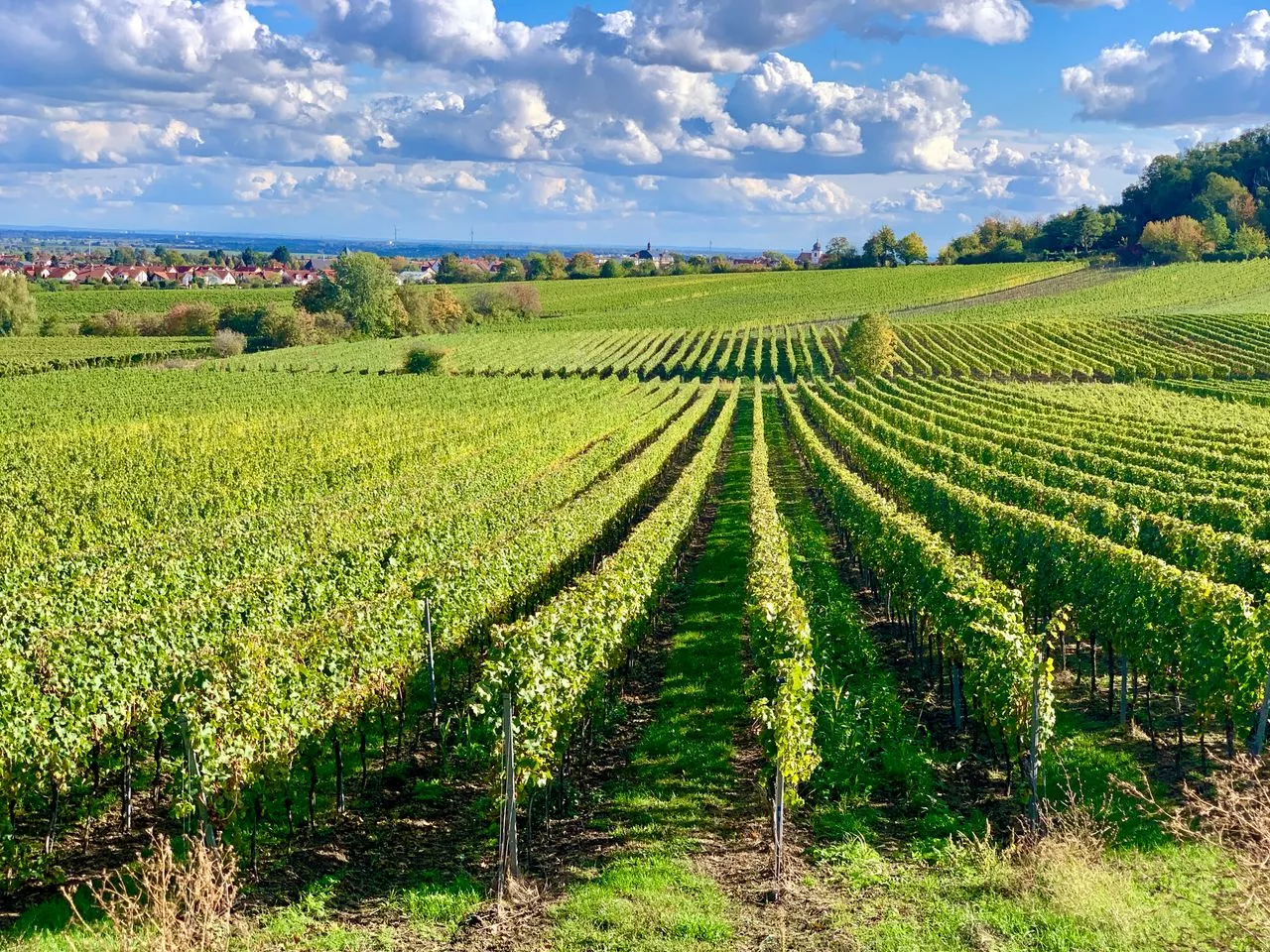
The program will focus on wheat-growing regions in Illinois, Indiana and Missouri, where General Mills sources wheat from ADM for products that are sold through Walmart and Sam’s Club stores. By aligning efforts across the agricultural value chain, the companies hope to demonstrate how collaborative investments can generate meaningful environmental, economic and social benefits while creating a more resilient food system.
The initiative also highlights the growing momentum behind regenerative agriculture as food manufacturers, retailers and agricultural companies work together to improve soil health, conserve natural resources and reduce agriculture’s environmental footprint.
The new collaboration builds upon an earlier commitment made by General Mills and Walmart in 2023 to advance regenerative agriculture across 600,000 shared acres by 2030. Since that announcement, regenerative agriculture programs have already been launched across more than 560,000 wheat acres in the United States.
ADM now joins the partnership as a key supplier, bringing significant expertise and scale to further accelerate adoption of regenerative farming practices. The company currently manages nearly five million regenerative agriculture acres worldwide and has developed extensive programs that help farmers transition toward more sustainable production methods.
By combining the strengths of all three organizations, the partners aim to create measurable environmental improvements while ensuring long-term economic opportunities for farmers and maintaining reliable supplies of high-quality wheat.
The program targets important wheat-growing areas that play a significant role in supplying ingredients for some of General Mills’ most recognized consumer brands. Wheat sourced through ADM supports the production of products sold under well-known names including Pillsbury, Betty Crocker and Totino’s.
These regions represent an opportunity to implement regenerative farming practices at scale while demonstrating how companies throughout the supply chain can coordinate investments to achieve shared sustainability goals.
Rather than approaching sustainability independently, the partnership recognizes that meaningful agricultural transformation requires participation from every stage of the food production system—from growers and suppliers to manufacturers and retailers.
One of the key objectives of the initiative is to make regenerative agriculture more accessible and financially viable for farmers.
The program, coordinated on the ground by ADM, will provide participating farmers with both technical guidance and financial incentives designed to reduce the barriers often associated with adopting new farming practices.
Many growers face significant challenges when transitioning to regenerative agriculture, including upfront costs, equipment modifications, learning new production techniques and managing short-term financial risks during the transition period.
Through this initiative, farmers will receive support that helps offset those challenges while encouraging broader participation in sustainable farming programs.
The collaboration seeks to ensure that environmental improvements also contribute to stronger farm businesses by improving long-term productivity and resilience.
Participating growers will be encouraged to adopt agricultural practices that have demonstrated environmental and agronomic benefits.
Among the primary practices being promoted are:
These practices are widely recognized for their ability to improve soil health, increase organic matter, enhance water retention and reduce nutrient runoff into nearby waterways.
Additionally, healthier soils have greater capacity to store carbon, making regenerative agriculture an important strategy in efforts to address climate change.
The combination of these practices can also improve farm resilience by helping crops better withstand weather extremes such as droughts and heavy rainfall.
The partnership aims to generate measurable improvements across several key environmental indicators.
Expected outcomes include:
These environmental improvements are expected to benefit not only participating farms but also surrounding communities that rely on healthy watersheds and productive agricultural land.
The partners intend to establish the program as a model for future collaborations that deliver measurable sustainability outcomes across multiple sectors.
The initiative will also receive technical support from two respected conservation organizations: American Farmland Trust and Ducks Unlimited.
Their expertise will help ensure that regenerative practices are implemented effectively while providing participating farmers with science-based recommendations tailored to local growing conditions.
American Farmland Trust has extensive experience promoting sustainable farming practices and protecting agricultural land, while Ducks Unlimited is recognized for its work in water conservation and habitat restoration.
Their involvement adds additional credibility and technical capacity to the program, helping maximize environmental outcomes while supporting farmer success.
General Mills views regenerative agriculture as a central component of its long-term sustainability strategy.
Jay Watson, Senior Director of Sustainability at General Mills, emphasized that collaboration throughout the agricultural value chain is essential for creating lasting change.
According to Watson, the partnership demonstrates what can be achieved when multiple organizations invest together in the same agricultural landscape. By concentrating efforts in wheat-growing regions that directly support General Mills’ business, the company hopes to strengthen ingredient supply chains while improving environmental outcomes and supporting farmer livelihoods.
Watson also noted that the initiative supports the company’s commitment to producing ingredients for iconic brands while contributing to a healthier planet.
ADM believes regenerative agriculture can only succeed through strong collaboration among all participants in the food supply chain.
Katherine Pickus, Chief Sustainability Officer at ADM, explained that partnerships help bridge the gap for farmers who want to expand regenerative practices but require additional support during the transition.
She noted that combining resources from suppliers, manufacturers and retailers enables farmers to adopt sustainable practices more confidently while strengthening long-term farm resilience.
ADM’s global experience managing millions of regenerative agriculture acres provides valuable expertise that can help scale successful practices across additional farming regions.
Walmart also views the initiative as an example of creating shared value throughout the food system.
Mikel Hancock, Senior Director of Strategic Initiatives for Sustainability at Walmart Inc., said the project represents a collaborative approach that balances environmental improvements with the economic realities facing farmers.
He emphasized that strengthening farm profitability is essential for ensuring long-term supply chain resilience while continuing to meet the needs of Walmart customers and Sam’s Club members.
Rather than focusing solely on sustainability targets, the initiative seeks practical solutions that deliver benefits for growers, businesses and consumers alike.
The collaboration contributes to each company’s broader sustainability commitments.
For General Mills, the initiative supports its objective of advancing regenerative agriculture across one million acres by 2030.
For Walmart, the project aligns with the company’s goal—developed in collaboration with the Walmart Foundation—to help protect, more sustainably manage or restore at least 50 million acres of land by 2030.
Meanwhile, ADM continues expanding its own regenerative agriculture strategy by directly supporting thousands of farmers across millions of acres worldwide while promoting practices that protect soil health and strengthen agricultural productivity.
As consumer demand for sustainably produced food continues to grow, collaborations like this demonstrate how businesses across different sectors can work together to address complex agricultural and environmental challenges.
By aligning investments, sharing expertise and providing direct support to farmers, General Mills, ADM and Walmart are establishing a scalable model that connects sustainability objectives with real-world farming outcomes.
The initiative illustrates that regenerative agriculture is no longer solely an environmental concept but an increasingly important business strategy that strengthens supply chains, improves resource stewardship and enhances the long-term resilience of agricultural communities.
As the program expands across Midwest wheat acres, it may also serve as a blueprint for future cross-industry partnerships designed to promote sustainable farming, improve food system resilience and create lasting value for farmers, businesses and consumers alike.
Source Link:https://www.businesswire.com/